A First Cool-Weather Reset for the Entryway
A cool-weather entryway reset helps you make coats, shoes and small essentials easier to reach while clearing out summer items that no longer earn space.
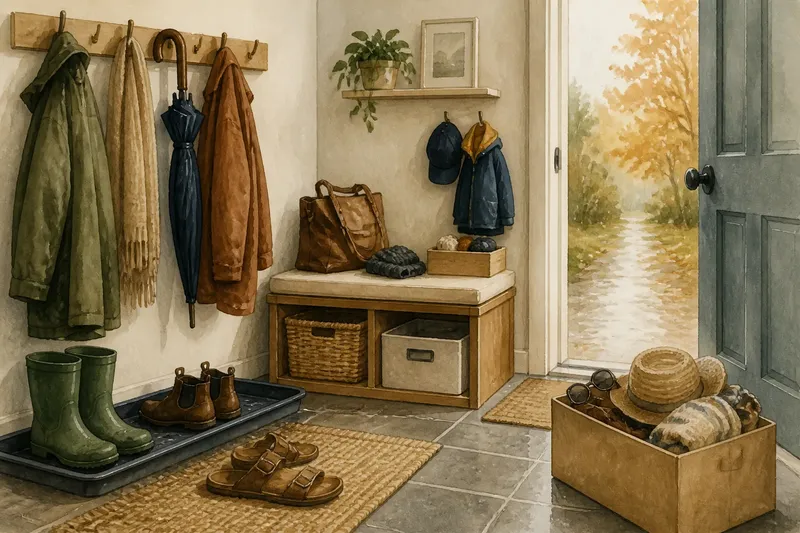
The first damp coat of the season lands across the chair, while sandals still occupy the spot beside the door. A cool-weather entryway reset begins with this ordinary mismatch: the things you reach for have changed, but the room has not caught up.
The aim is not to make the entrance look newly arranged. It is to decide what belongs within easy reach, what can wait elsewhere and what has stopped earning a place at all. Work through the snags in that order, so each decision answers a real problem rather than creating a new one.
Start with the things that have become difficult to reach
A familiar sign of seasonal clutter is a useful item that takes several moves to retrieve. Perhaps a raincoat is behind a row of lighter jackets, or the umbrella has been pushed into a cupboard because it was rarely needed in warmer weather. The cause is often not a shortage of storage but a mismatch between what is accessible and what the day now asks for.
Notice the small routines that bring you through the entrance: leaving for work, walking the dog, carrying shopping or coming home in wet weather. Make a brief mental note of what you reach for during those routines, then place those items where they can be taken without shifting something else. A hook near the door may suit a frequently worn coat; an umbrella stand or a narrow container may suit umbrellas that would otherwise drip onto a shelf.
Do not assume every household member needs the same arrangement. A child’s hat and gloves may need a lower hook or a small tray, while an adult’s work bag may need a clear landing spot. Accessibility is about the person using the item, not about producing a symmetrical row.
Keep weather gear from becoming a damp pile
When wet coats, scarves and footwear arrive together, they can crowd the entrance before anyone has had time to put them away. This usually happens because the room has a place for clean, dry things but no obvious pause between coming in and storing them. A designated spot for airing damp gear can keep that temporary stage from spreading across a chair or the floor.
Choose a washable mat, a sturdy tray for wet shoes or a hook positioned where a dripping coat will not brush against other belongings. If the space is tight, a single hook reserved for a wet outer layer may be more useful than adding several organisers. The purpose is to contain the temporary mess, not to bring every possible piece of weather equipment into the hall.
Allow damp items to dry before putting them away, and avoid blocking a door, heater or walking route with them. For care and placement, follow the item’s label or the manufacturer’s instructions where they apply.
Move seasonal extras out without losing useful access
Some items remain useful but do not need to occupy the entrance every day. Sunglasses, sun hats, light scarves and spare sandals may be worth keeping, yet their place beside the door can become an obstacle once gloves, heavier coats and covered shoes take priority. The usual cause is treating “useful” as the same thing as “needs to stay here”.
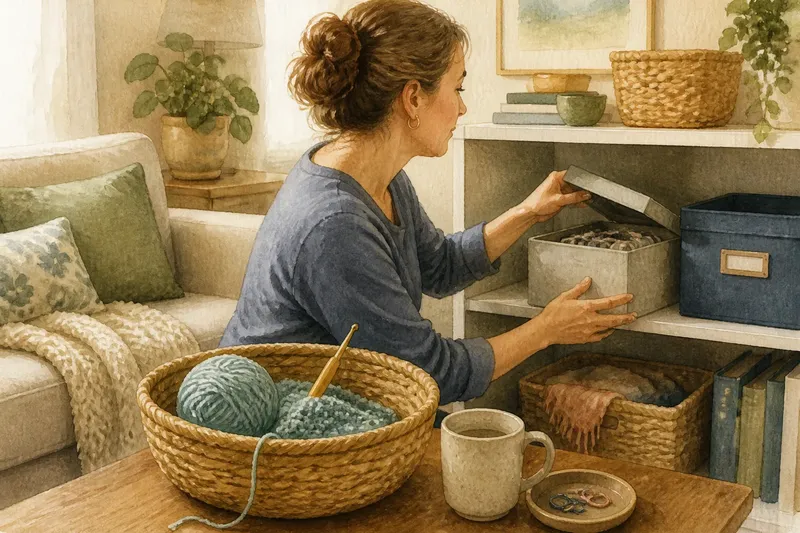
Group occasional items by purpose before moving them. A labelled box on a bedroom shelf can hold warm-weather accessories; a drawer near the back door might suit dog-walking supplies used in every season. Choose a place you can remember and reach when the weather turns again, rather than sending everything to an indistinct cupboard.
Say you find a sun hat, a folded picnic blanket and a pair of sandals beside the entrance, while the gloves you need for a chilly morning are in a bedroom drawer. Put the hat, blanket and sandals together in a labelled storage box elsewhere, then bring the gloves to an accessible hall drawer or hook. The observable result should be a clearer landing area and less searching before leaving, without making the seasonal items difficult to find later.
Remove the belongings that no longer have a job
A reset can stall when it becomes a sorting exercise with no end. The tougher question is whether an item still serves a household routine: a coat that no longer fits, a single glove without its partner, an umbrella that will not stay open or a bag that is never chosen. These things often remain because they are familiar, not because they are useful.
Handle one small group at a time, such as footwear or accessories. Put aside anything that is damaged, uncomfortable, outgrown or repeatedly passed over. If it is still usable, decide whether it belongs elsewhere, can be offered to someone who wants it or should be disposed of according to local arrangements. Keeping an item “just in case” is more defensible when you can name the likely occasion and the place it will be stored.
What is not worth the effort is buying matching containers before deciding what needs to stay. A new basket can make the pile look neater while leaving the same decisions unresolved. Use a temporary box or a clear patch of floor first; choose a container only when the remaining items and their location are settled.
Match the setup to the shape of the entrance
A narrow hall, a porch and a shared apartment landing do not offer the same choices. In a narrow entrance, wall hooks and a slim shoe tray may preserve the floor; in a porch, a bench can provide a place to remove footwear if it does not obstruct the door. Where there is little private storage, one shelf or basket reserved for each person can prevent communal space from becoming a general holding area.
Before adding furniture, watch where doors swing and where people naturally pause to remove shoes or set down bags. A storage solution that occupies that pause may make the routine harder, even if it holds more. Keep the arrangement modest enough that the entrance remains usable when coats are being worn and footwear is being taken off.
Which entryway decisions usually cause trouble?
What should stay beside the door in cool weather?
Keep the items used repeatedly on ordinary departures, such as the current coat, everyday shoes and weather gear suited to the season. A spare or special-occasion item can live elsewhere unless it is genuinely needed at short notice.
Where should summer accessories go?
Choose a dry, recognisable place outside the everyday entryway zone, such as a labelled box on a cupboard shelf. Keep related accessories together so they are easy to retrieve when the weather changes again.
How can a small entrance handle wet shoes?
Use a washable mat or a tray sized for the footwear that commonly arrives wet, and leave it where it will not interfere with the door or passage. If there is no room for a tray, designate a limited spot for damp shoes and move them once they are dry.
What should happen to items no one uses?
Decide by condition and purpose: relocate what is useful elsewhere, pass on usable belongings that no longer suit the household, and discard items that are no longer serviceable. Avoid keeping an item in the entryway solely because no one has chosen what to do with it.
Leave room for the next change in weather
A seasonal arrangement works better when it can absorb an unexpected change without being dismantled. Keep one hook or a small section of a shelf available for a borrowed umbrella, a visitor’s coat or a layer added on a colder day. This does not mean preparing for every possibility; it means resisting the urge to fill every surface as soon as it becomes clear.
Once the everyday items are in place, step through the entrance as you would while carrying a bag. Notice whether you can hang a coat, put down keys and remove wet footwear without shifting something else. If one move still causes a tangle, adjust that specific spot rather than reorganising the whole room.
A cool-weather entryway reset is most useful when it reflects what your household actually reaches for and gives occasional belongings a clear address elsewhere. When the first cold, wet morning arrives, the small practical test is simple: can you find what you need, set down what you are carrying and get out of the doorway without moving yesterday’s leftovers?